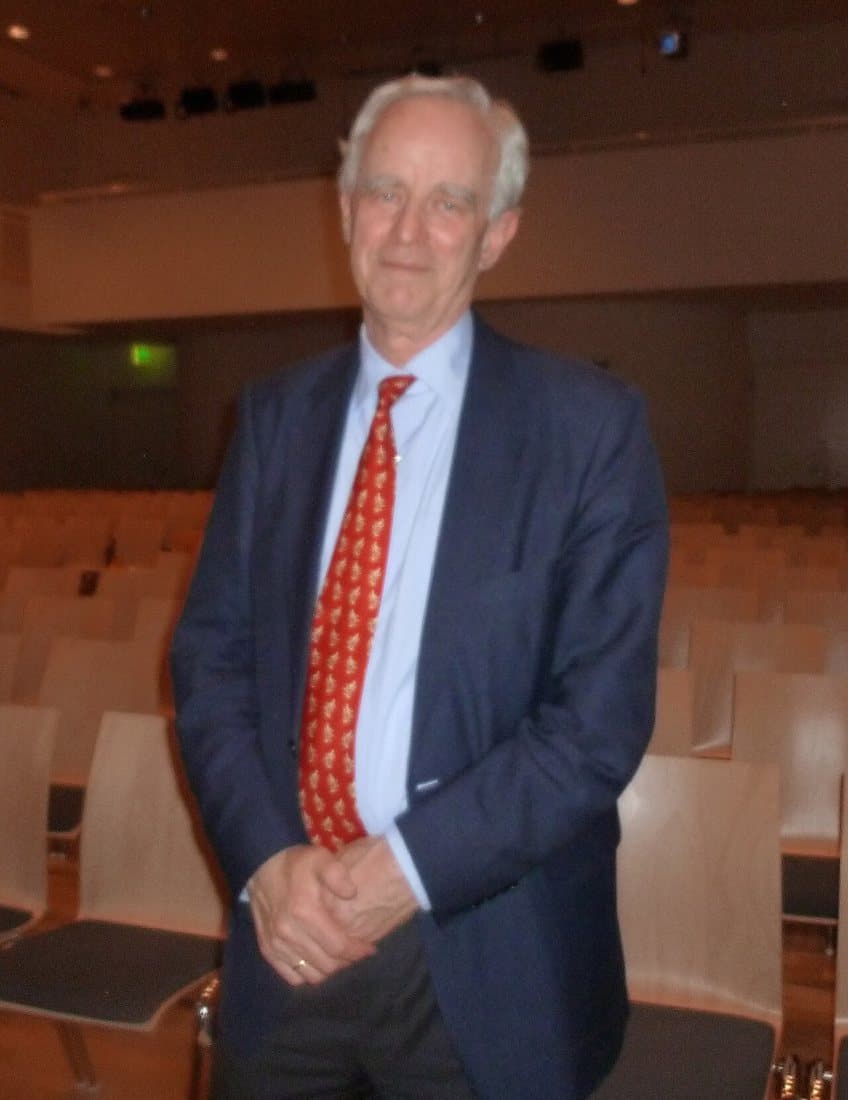
Pim van Lommel
Dutch cardiologist
Born in the Netherlands, 1943.
He led a prospective study of near-death experiences in cardiac arrest survivors across ten Dutch hospitals.
Biography
Pim van Lommel worked as a cardiologist at the Rijnstate Hospital in Arnhem from 1977 to 2003. He has said that his interest began in 1969, when a patient he had helped to resuscitate described an experience of light and beauty and was distressed at being brought back.
In 1988 he and colleagues began a study of cardiac arrest survivors across ten Dutch hospitals. Its publication in The Lancet in 2001 brought the subject into one of the world's leading medical journals. After retiring from clinical work he wrote and lectured on its implications.
Historical context
Earlier studies had relied on people who came forward with stories years later. Van Lommel's team asked every survivor, soon after the event, whether they remembered anything, which made it possible to say how common the experience is and to compare those who had one with those who did not.
Work and ideas
The study found that 18% of 344 survivors reported a near-death experience, and that medical factors such as the duration of the arrest did not predict who would. Follow-up interviews two and eight years later found lasting changes in those who had had the experience.
Van Lommel's own interpretation, set out in Consciousness Beyond Life, is that consciousness is not located in the brain, which he compares to a receiver. This goes well beyond what the Lancet paper claims.
Key concepts
- Prospective design
- Studying all patients from the time of their cardiac arrest, not only those who later volunteer a story.
- Nonlocal consciousness
- His proposal that consciousness is not confined to the brain.
Criticism and limits
The Lancet study is widely regarded as careful work. The criticism is directed at the conclusions van Lommel later drew from it: neuroscientists object that a brain during cardiac arrest is not known to be wholly inactive, that memories may form before or after the arrest, and that his appeals to quantum physics are not supported by physicists.
References
van Lommel, P., van Wees, R., Meyers, V., & Elfferich, I. (2001). Near-death experience in survivors of cardiac arrest: a prospective study in the Netherlands. The Lancet, 358(9298), 2039–2045.
Scientific researchvan Lommel, P. (2010). Consciousness Beyond Life: The Science of the Near-Death Experience. New York: HarperOne.
Scientific researchGreyson, B., Holden, J. M., & van Lommel, P. (2012). 'There is nothing paranormal about near-death experiences' revisited. Trends in Cognitive Sciences, 16(9), 445.
Scientific research